• Home
  • About
  • Services
  • Before & After
  • Contact
  • Terms & Conditions
RED KITE TREE & HEDGE SERVICES
  • Home
  • About
  • Services
  • Before & After
  • Contact
  • Terms & Conditions

Our Services

We provide a range of professional tree and hedge services to keep your outdoor space looking its best. Our services include pruning, trimming, shaping, hedge reduction, and tree removal to ensure healthy growth and a tidy appearance. Here is a list of the services we offer, but if you're unsure which service is right for you or have any questions, don’t hesitate to contact us—we’re happy to help!

Picture
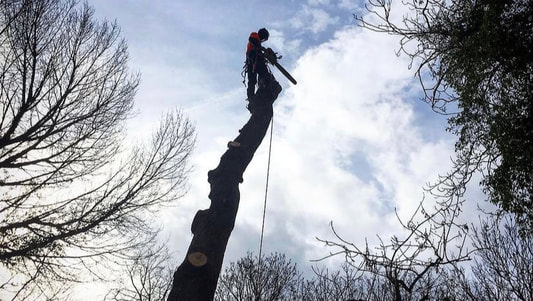
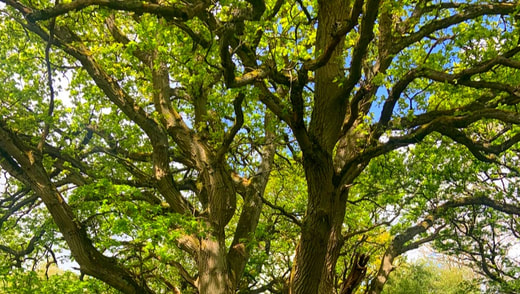
Tree removal is the process of safely and efficiently cutting down a tree, typically due to safety concerns, disease, or because it is no longer needed in a particular area. It involves carefully removing the tree from the ground, which may include cutting the trunk into sections and removing branches. Tree removal requires proper equipment and expertise to ensure that the process is done safely, without causing damage to surrounding property or landscapes.

Tree dismantling is a carefully planned process of taking down a tree in sections, piece by piece, often in tight or difficult-to-reach areas where traditional tree removal methods may not be feasible. This technique is commonly used for trees located near buildings, power lines, or other obstacles. The process involves using ropes, rigging, and specialized equipment to lower branches and sections of the trunk in a controlled manner. Tree dismantling requires expert knowledge and skills to ensure the tree is removed safely and efficiently, minimizing any risk to the surrounding environment or property.

Picture
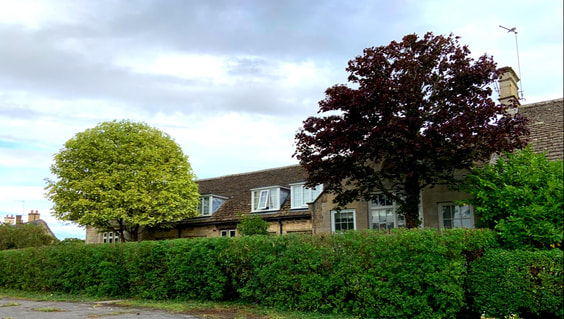
Crown reduction is a tree pruning technique that involves carefully cutting back the size of a tree's canopy (the crown) by reducing the length of its branches. This is done to maintain the tree’s shape, improve its health, and reduce potential hazards, such as overhanging branches or excessive weight. People may choose a crown reduction to control the size of a tree, prevent it from interfering with buildings, power lines, or other structures, and reduce the risk of branches breaking during storms. The process also encourages healthier growth and can improve the tree’s overall appearance, all while preserving its natural form.
Picture
Hedge trimming is the process of shaping and maintaining the size of a hedge by cutting back its branches using a hedge trimmer. This method is typically used to tidy up the hedge, encourage new growth, and keep it looking neat and uniform. Hedge trimming is usually performed on smaller or thinner branches, and because it uses a hedge trimmer, only thin, soft cuttings are produced. This makes hedge trimming less messy compared to more extensive methods, like hedge reduction, and results in less green waste to clean up. It's an ideal way to maintain the appearance of hedges without drastically altering their size.
​
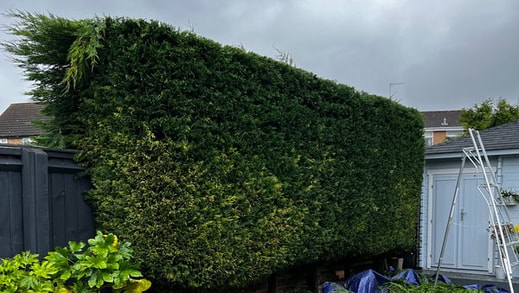
​Hedge reduction with a chainsaw is the process of cutting back and reducing the size or height of a hedge using a chainsaw instead of a standard hedge trimmer. This method is typically needed when a hedge has grown too large or dense, with thicker, woodier branches that a hedge trimmer cannot handle effectively. The chainsaw provides the necessary power and precision to cut through these thick sections, allowing for more efficient reduction. However, because a chainsaw cuts through larger branches and woodier parts of the hedge, it often generates a larger amount of green waste and cuttings compared to using a hedge trimmer. While this results in more debris to clean up, the chainsaw ensures the job is done quickly and effectively, allowing for a well-maintained hedge.
Picture
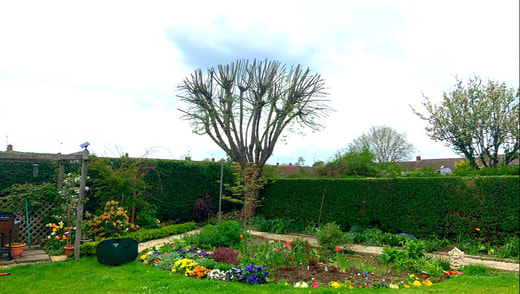
Pollarding is a tree pruning technique in which the upper branches of a tree are cut back to the main trunk or to a specific point, leaving a few main stems or branches. This process encourages the tree to produce new shoots from the cut areas, which can then be managed and pruned in future years. Pollarding is typically performed on certain tree species, such as willows, limes, and maples, to control the size and shape of the tree, promote healthy growth, and reduce the risk of damage to surrounding structures. It is important to note that pollarding needs to be done regularly, usually every few years, to maintain the tree's shape and prevent it from becoming overgrown. This technique is often used in urban environments or areas where maintaining a controlled tree size is important
Picture
Deadwooding is the process of removing dead, dying, or diseased branches from a tree or shrub. This practice helps improve the tree's health, appearance, and safety by eliminating branches that could pose a risk of falling or spreading disease. Removing deadwood also encourages healthy new growth and allows more light and air to reach the remaining branches, which can help the tree thrive. Deadwooding is typically done to prevent potential hazards, such as falling branches, and to ensure the tree remains strong and aesthetically pleasing.
Picture
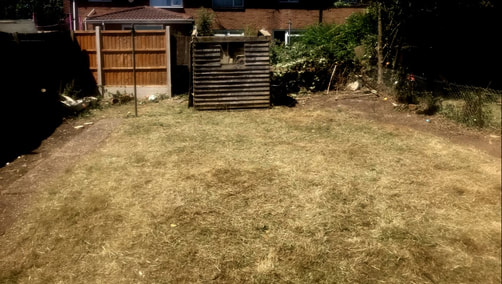
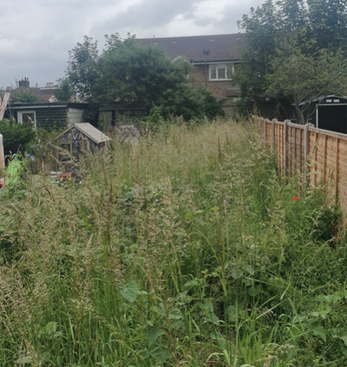
A garden clearance of an overgrown garden involves the removal of dense, uncontrolled vegetation, weeds, and other debris that have accumulated in a neglected or overgrown outdoor space. This process typically includes cutting back overgrown shrubs, trees, or hedges, removing invasive plants, clearing away fallen branches, and disposing of any green waste. The goal of a garden clearance in an overgrown garden is to restore order, create a tidy and usable space, and prepare the area for new planting, landscaping, or general maintenance. It can also help improve the overall health of the garden by removing unwanted plants and allowing more sunlight and air to reach the remaining plants.
Picture
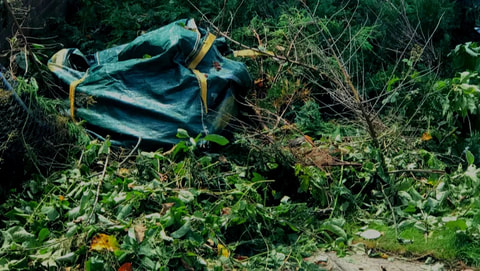
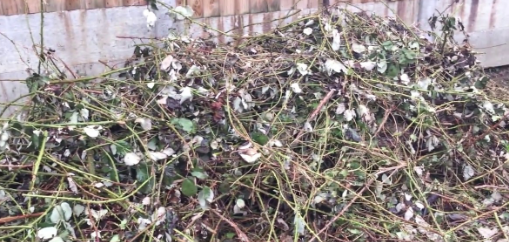
Green waste removal involves the collection, removal, and disposal of organic plant material, such as grass clippings, leaves, branches, tree cuttings, and other vegetation waste. This service is typically offered after gardening, landscaping, or tree maintenance work, helping to clear away any leftover debris from your property. The green waste is then taken to a recycling facility, composted, or disposed of in an environmentally responsible way. Green waste removal ensures that your outdoor space is left neat and tidy, with minimal hassle for the property owner.
Picture
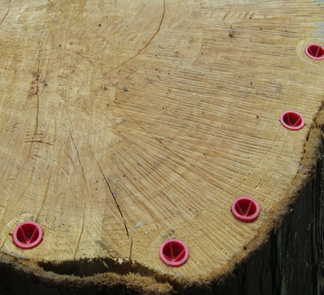
Ecoplugs are environmentally friendly, chemical-free devices used for controlling and killing invasive tree stumps and roots. They are small, biodegradable capsules filled with a natural herbicide or treatment that is inserted into drilled holes in the stump. Once inserted, the Ecoplugs gradually release the treatment into the stump, targeting and breaking down the tree's root system, preventing regrowth. Ecoplugs are a popular alternative to traditional chemical stump treatments, as they provide a more eco-conscious solution for managing invasive or unwanted trees without harming the surrounding environment.
Picture
Bramble removal is the process of clearing and removing bramble plants, such as blackberry bushes or other thorny, fast-growing shrubs, from a garden or outdoor space. Brambles can quickly become invasive, spreading rapidly and often becoming difficult to manage due to their thorns and dense growth. People might hire someone for bramble removal because these plants can be challenging to deal with on their own. Brambles can damage garden tools, create a tangled mess, and are often difficult to completely eradicate without the right equipment and expertise. A professional will have the necessary tools, like hedge trimmers, saws, or even a brush cutter, to safely and efficiently remove the brambles. They also ensure that the area is cleared of roots and debris, helping prevent the brambles from regrowing and allowing for a cleaner, more manageable garden.
Picture
Overgrown Garden Maintenance involves restoring a neglected or overgrown garden to a tidy and manageable state. This includes clearing excessive weeds, trimming overgrown hedges and bushes, mowing long grass, and removing unwanted vegetation.
Picture
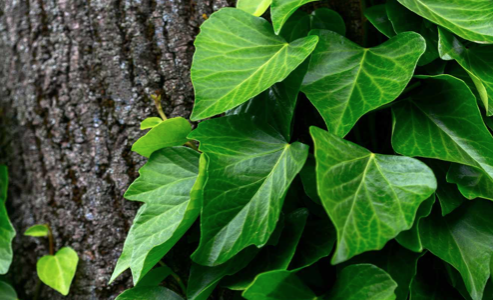
Ivy Removal is the process of cutting, uprooting, and safely disposing of invasive ivy that has grown on walls, fences, trees, or garden areas. It requires careful removal to prevent regrowth and avoid damage to surfaces or structures.
Powered by Create your own unique website with customizable templates.
  • Home
  • About
  • Services
  • Before & After
  • Contact
  • Terms & Conditions